
Rather than correct course after the European Parliament’s shocking abrogation of responsibility, EU environment ministers have lowered the ambition of the EU ETS even further. Moreover, the Environment Council has offered heavy industry billions in generous freebies while leaving households to pay the bill.
After being recently voted down in the European Parliament, the reform of the EU’s Emissions Trading System (EU ETS) was successfully passed today. But there’s little cause for celebration: while the changes might appear favourable at first glance, a closer look reveals they are simply a minor facelift to the same set of polluter-friendly policies.
Since the European Parliament’s failure to reach an agreement on the comprehensive reform of the EU Emissions Trading System, MEPs have traded recriminations. However, those claiming that the defeated compromise deal was good for the climate are being disingenuous. Our analysis reveals it would have been catastrophic had it gone through.
On the occasion of the European Parliament’s vote on the reform of the EU Emissions Trading System, he environment committee had sent a hard-won compromise deal to the plenary, but it got sabotaged there with the reintroduction of amendments from other committees
A new analysis shows the expansion of the scope of the EU’s Emission Trading System (EU ETS) for aviation could bring several environmental and economic benefits without significantly increasing operating costs for airlines.
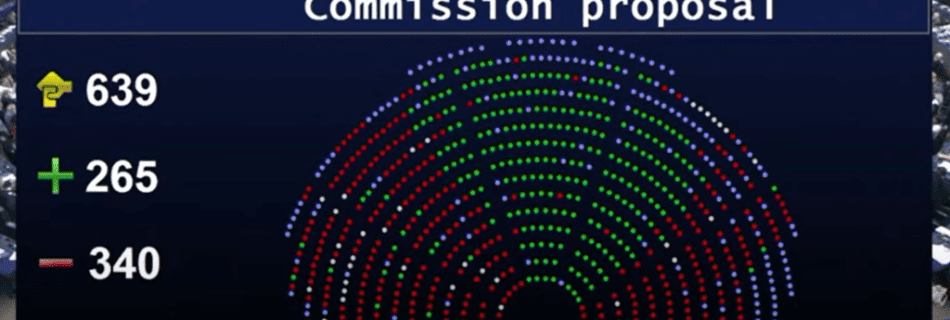
In an unexpected turn of events in the European Parliament, a watered-down carbon market package was rejected by a majority of MEPs. The review of the EU Emissions Trading System (EU ETS) Directive was referred back to the Environment Committee and will now overlap with Member States finalising their position later this month.
The European Union must hold firm and act now to live up to its commitment to future generations by taking concrete steps to phase out free pollution permits under its Emissions Trading System
Europe’s carbon market – the EU Emissions Trading System (EU ETS) – could deliver up to 53% more emission reductions for aviation in Europe if applied to all departing flights compared to the current plan, and 113% more reduction if extended to both incoming and outgoing flights, a new study finds.
Carbon Market Watch and other green NGOs express their grave concern about the European Commission’s proposal to generate €20 billion from the auctioning of allowances held in the Market Stability Reserve (MSR) of the EU’s Emissions Trading System (ETS) in order to finance measures to help fund the REPowerEU plan, which includes gas and oil …
Read more “MEPs must veto proposal to release allowances from the Market Stability Reserve to finance REPowerEU”