
FAQ: What is the EU Emissions Trading System (EU ETS)
The EU Emissions Trading System is a cornerstone of the European Union’s climate policies, yet it is poorly understood. Here, we answer some frequently asked questions about the EU ETS.

The EU Emissions Trading System is a cornerstone of the European Union’s climate policies, yet it is poorly understood. Here, we answer some frequently asked questions about the EU ETS.

This beginner’s guide to the EU ETS aims to build knowledge and understanding of Europe’s carbon market for civil society organisations who have little or no prior experience with EU climate policies, especially in countries in the EU neighbourhood. It provides introductory knowledge on how the EU ETS is designed and how it functions. Increased …
Read more “EU ETS 101: A beginner’s guide to the EU’s Emissions Trading System (2024 update)”

Examples of climate funding being put to good use in Greece, Portugal and Belgium suggest how revenue from the EU Emissions Trading System (EU ETS) can be better used to enhance climate action. This potential can be further boosted by eliminating the freebies awarded to the wealthiest polluters.

23 January 2024 | 14:30 – 16:00 CET | ONLINE The EU’s Emissions Trading System (EU ETS) badly needs cleaning up. It needs to make heavy emitters pay a fair price for their immense carbon footprints and use that revenue to finance industrial decarbonisation and schemes that benefit society and the environment. Drawing on the …

The EU’s Emissions Trading System (EU ETS) covers aviation. But what does that mean for the climate and airlines?
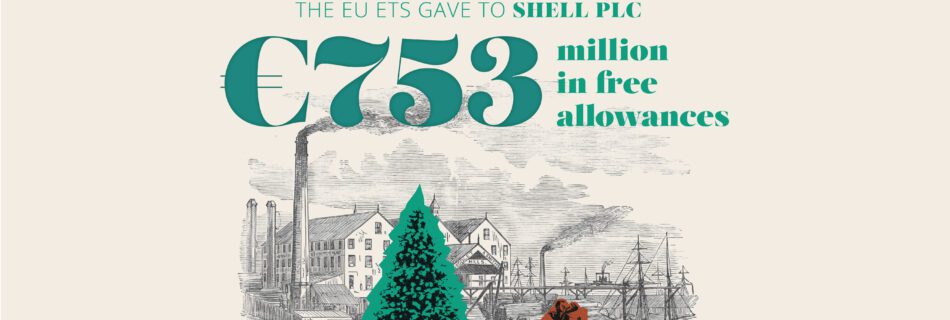
Merry ETSmas!
The EU through its Emissions Trading System giftwraps free pollution permits to 30 grossly wealthy energy production and heavy industry companies causing 25% of the bloc’s emissions.
Over the 12 days of ETSMas we counted down the EU’s luckiest polluters.

Revenue from the EU’s Emissions Trading System (EU ETS) continues to be spent on subsidising heavy industry pollution rather than on climate action and ending energy poverty.
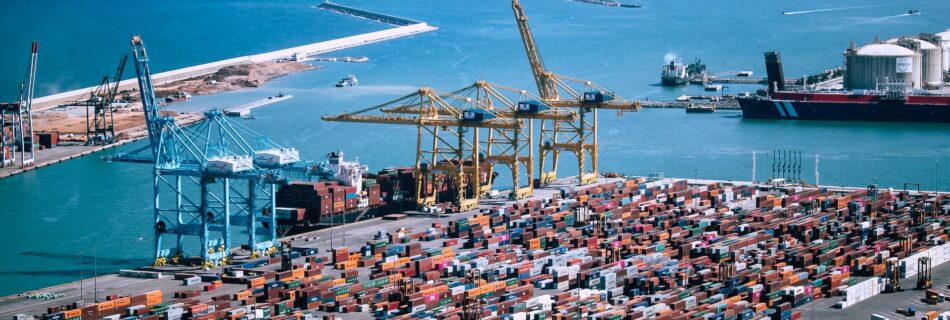
The EU’s Emissions Trading System (EU ETS) is being expanded to cover shipping. But what does this involve and what does it mean for the maritime sector?

Emissions Aristocracy of just 30 companies spews out half of the greenhouse gases covered by the European Union’s Emissions Trading System (EU ETS), representing a quarter of the EU’s carbon footprint, a CMW report uncovers.