
ETS Revenue use: Maximising social and climate benefit
The eighth ETS Talk will explore how the use of revenue from the ETS presents tangible risks, but also offers a unique opportunity to create co-benefits from carbon pricing.

The eighth ETS Talk will explore how the use of revenue from the ETS presents tangible risks, but also offers a unique opportunity to create co-benefits from carbon pricing.
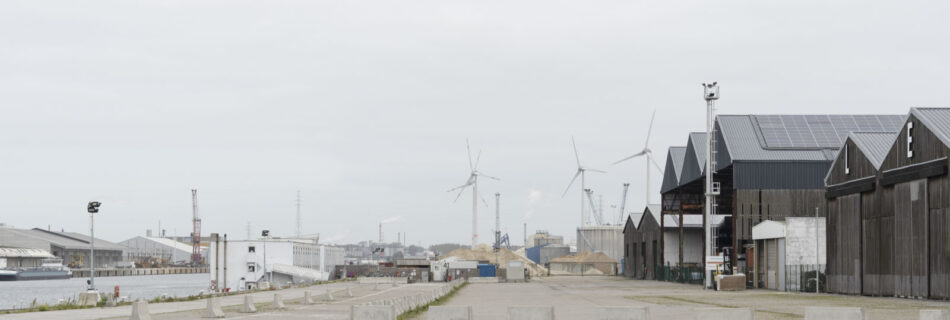
With shipping due to enter the EU’s Emissions Trading System (EU ETS) in 2024, North Sea Port in Belgium is striving to put more wind in the sails of its climate strategy.

Portugal is using revenue from the EU’s Emissions Trading System (EU ETS) to help finance its green transition, bankrolling everything from cycling infrastructure to nature conservation.

The European Union’s expansion of the European Emissions Trading System, known as ETS2, will extend the “polluter pays” principle to buildings and road transport. This will make carbon pricing more tangible to EU citizens but can also help them decarbonise.

With its focus on tonnes of carbon dioxide discharged into the atmosphere, the EU’s Emissions Trading System can appear to be technical and immaterial to most people. To uncover the human dimension of the EU ETS, with its challenges and opportunities, Carbon Market Watch and The Green Tank, visited Greece’s main lignite-producing region as it …

This policy document outlines recommendations for how the EU’s Emissions Trading System (EU ETS) EU can help the EU decarbonise its economy by 2040. It was submitted in response to the European Commission’s public consultation on the EU climate target for 2040.
In order to achieve this 2040 goal, the EU needs to raise its ambition now, not after 2030. Even though the ‘Fit for 55’ package of policy measures was only agreed at the end of 2022, it has one fundamental flaw which undermines its ability to deliver on the EU’s climate goals for this decade: it aims for a net decrease in emissions of at least 55% by 2030, at a time when the science clearly shows we need gross cuts of at least 65%. ‘Fit for 55’ needs to become ‘Fit for 65’ as soon as possible. The EU has run up a serious carbon deficit, this urgently requires the wise allocation of our remaining budget.

Following the revamping of the EU’s Emissions Trading System, the associated Innovation Fund also requires an overhaul to ensure it serves the purpose of accelerating decarbonisation. Here are Carbon Market Watch’s and Sandbag’s recommendations.

The steel industry’s strategic importance coupled with its strong lobbying power have combined to shield it from a tightening of the Emissions Trading System. This is harmful to the climate, unfair to taxpayers and hurts the sector’s long-term competitiveness.

The EU must ignore lobbying efforts from industry to certify the storage of carbon dioxide in cement or concrete as carbon removals.