
Settling the bill: Who must pay for their emissions?
Revenue from the EU’s Emissions Trading System (EU ETS) continues to be spent on subsidising heavy industry pollution rather than on climate action and ending energy poverty.

Revenue from the EU’s Emissions Trading System (EU ETS) continues to be spent on subsidising heavy industry pollution rather than on climate action and ending energy poverty.

Today’s vote at the European Parliament paves the way to interinstitutional negotiations on the Carbon Removals Certification Framework. The EU institutions urgently need to hammer out the many imperfections of the CRCF to ensure that carbon removals become an effective climate action tool.
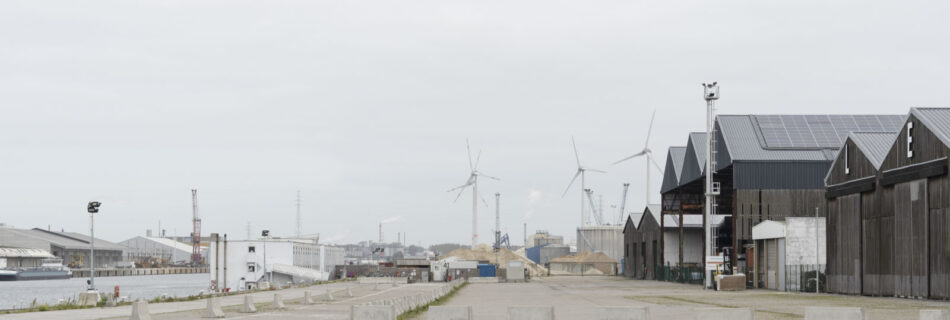
With shipping due to enter the EU’s Emissions Trading System (EU ETS) in 2024, North Sea Port in Belgium is striving to put more wind in the sails of its climate strategy.

The European Union is starting the long process towards establishing the bloc’s post-2030 climate policy framework and Carbon Market Watch wants to make sure that slashing emissions is the absolute priority.

The European Union’s expansion of the European Emissions Trading System, known as ETS2, will extend the “polluter pays” principle to buildings and road transport. This will make carbon pricing more tangible to EU citizens but can also help them decarbonise.

Carbon Market Watch (CMW) has delivered a strong verdict on the role of carbon removals and temporary carbon storage in the hierarchy of climate action in a pair of complementary reports released on 25 September 2023. A study of policy frameworks around the world shows that policymakers are getting it wrong.

The debate on EU industrial subsidies in the face of the US Inflation Reduction Act and against the backdrop of the Emissions Trading System (EU ETS) and Carbon Border Adjustment Mechanism (CBAM) deals raises some uncomfortable questions.

The long process that was meant to transform the EU’s Emissions Trading System into an effective tool for climate action has culminated in a final deal that will not reduce Europe’s industrial carbon footprint rapidly enough to tackle the climate crisis. The reformed EU ETS lavishes freebies on polluting industries and leaves households and taxpayers with the bill.

The International Civil Aviation Organisation’s General Assembly has further weakened CORSIA, its only carbon pricing tool. It is high time that the EU stopped being hostage to ICAO and industry interests and tackles aviation emissions regionally.