
Joint letter to establish an EU lending facility for ETS2 revenue for member states
Signatories believe that to better prepare member states for the implementation of ETS2, early access must be granted to revenue before the system begins in 2027.

Signatories believe that to better prepare member states for the implementation of ETS2, early access must be granted to revenue before the system begins in 2027.

The European Commission’s Clean Industrial Deal and Omnibus package supports big polluters while the EU’s climate goals are missing in action
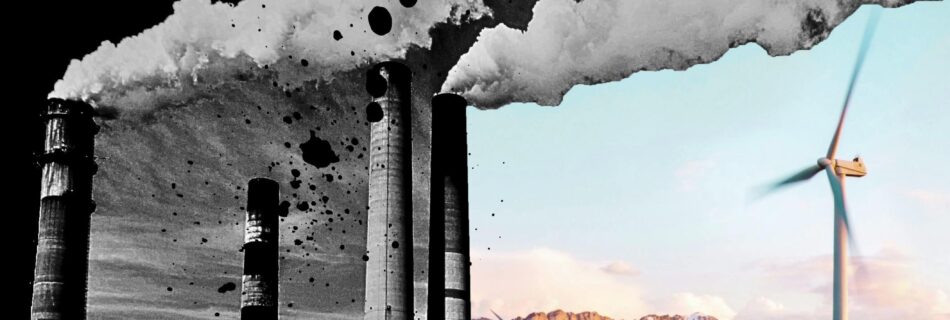
Heavy industries covered by the EU Emissions Trading System (ETS) received most of their pollution permits for free, effectively subsidising Europe’s dirtiest businesses, a new report by Carbon Market Watch and WWF reveals. This wasteful and inefficient policy cost society €40 billion.

In its freshly published report on scaling up carbon dioxide removals in the EU, the European Scientific Advisory Board on Climate Change (ESABCC), established by the EU Climate Law, makes setting separate climate targets its number one recommendation. This aligns with what Carbon Market Watch and other stakeholders have been advocating.

After receiving billions in state aid and free pollution subsidies to decarbonise its production, steel producer ArcerlorMittal put its clean steel projects on hold.

Carbon Market Watch commissioned environmental consultants Ricardo to produce a study comparing the functioning of the EU ETS and CORSIA, and their respective climate ambitions. In this policy briefing, we present the study’s main findings and formulate policy recommendations.
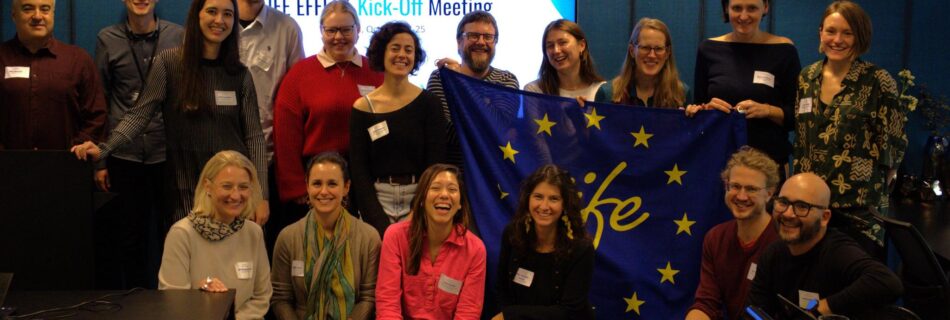
Carbon Market Watch is campaigning alongside eight EU and national civil society organisations for the imminent Emissions Trading System for road transport and buildings and the Social Climate Fund to deliver a fair and effective decarbonisation transition.

There is an increasing need for both public and private expenditure, and an availability of growing ETS revenues. Those delivering the most climate action must be rewarded.

All but one European Union member state have fallen foul of the date to enter the new Emissions Trading System for road transport and buildings (ETS2) in the national law books. This delay sends completely the wrong signal, argues Eleanor Scott.