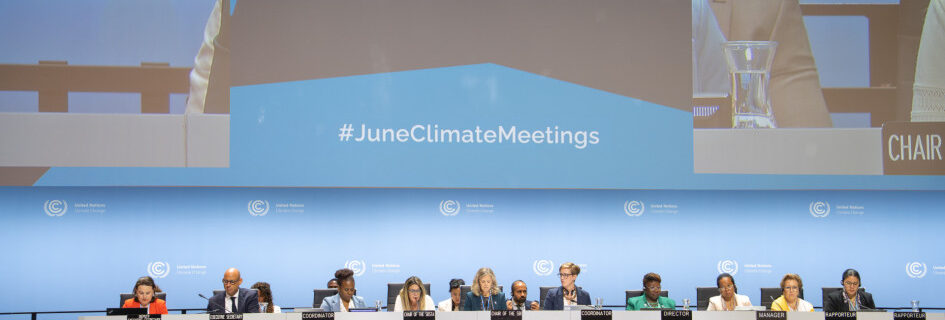
The champions of Article 6 carbon markets used the opportunity of the Bonn climate conference to push, ahead of COP31, for a “learning by doing” approach. This happy-go-lucky attitude would spell double trouble for the climate and society. Although the only carbon market item officially under negotiation in Bonn concerned the funding arrangements for Article …
Read more “Bonn chance: UN carbon markets enter implementation phase on shaky foundations ahead of COP31”
This is Carbon Market Watch’s submission to the Article 6.4 mechanism of the Paris Agreement’s draft methodology on energy efficiency measures in household cooking.
This submission is in response to a call for input from the Article 6.4 Supervisory Body for the for its ‘Draft Methodological tool: Fraction of non-renewable biomass’.
A tool that aims to promote and safeguard sustainable development under the UN carbon market offers indigenous peoples and local communities little protection against projects which infringe on their land or violate their human rights. This was the disturbing finding of a joint investigation by Carbon Market Watch and the Land Matrix Initiative.
Carbon markets continued to feature prominently and often worryingly at COP30. Carbon Market Watch witnessed a stark contrast between the optimism championed by the many initiatives promoting “high quality” carbon markets and the negotiation rooms where concerted efforts were made to water down Article 6 rules.
Efforts to dilute Article 6 rules risk turning the new UN carbon market mechanism into a false climate solution that harms both nature and global climate action
The use of international carbon credits in the EU’s 2040 climate target could result in the outsourcing of 140 million tonnes to a whopping 430 million tonnes of emissions. It should be zero tonnes.
In our latest report, we assessed the strengths and weaknesses of the finalised Article 6 rulebook and found so many holes, it’s like a sieve. At the COP29 climate conference in Baku, countries concluded nine years of negotiations and finalised the rulebook for United Nations carbon markets under Article 6 of the Paris Agreement. Since …
Read more “Are Article 6 carbon market rules fit for purpose?”
Carbon Market Watch submitted this during the global stakeholder consultation of the proposed ‘Comprehensive Lowered Emission Assessment and Reporting (CLEAR) Methodology for Cooking Energy Transitions’ under Article 6.4. The CLEAR methodology is a step in the right direction for clean cookstove methodologies but it still contains shortcomings which must be addressed. Failure to tackle these issues risks perpetuating the pervasive overcrediting linked to many existing cookstove methodologies.