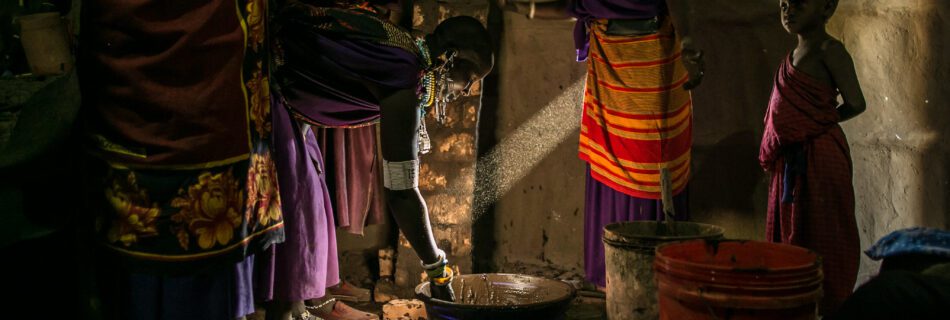
The first two projects, both related to cookstoves, approved for use under the UN’s carbon market massively overestimate their climate impact, despite efforts to rein in overcrediting. In April of last year, Carbon Market Watch published an analysis demonstrating that the first Clean Development Mechanism project (known as Programme of Activities, or PoA, 10415) in …
Read more “Out of the frying pan, into the cookstove: Too many carbon credits enter UN carbon market”
Carbon markets continued to feature prominently and often worryingly at COP30. Carbon Market Watch witnessed a stark contrast between the optimism championed by the many initiatives promoting “high quality” carbon markets and the negotiation rooms where concerted efforts were made to water down Article 6 rules.
The decision by the Integrity Council for the Voluntary Carbon Market (ICVCM) to withhold its stamp of approval from the most problematic cookstove methodologies and to approve a good methodology is a welcome step in the right direction but more needs to be done.
Whilst REDD+ credits have been the subject of intense media and civil society scrutiny, the same cannot be said of renewable energy projects, which are plagued by similar issues when used for offsetting, yet manage to hide in plain sight. Serious concerns exist regarding the use of renewable energy projects to generate carbon credits. Those …
Read more “Hidden in plain sight: Flawed renewable energy projects in the voluntary carbon market”
A recent report by Carbon Market Watch of 20 global, EU, national and sub-national climate policy frameworks shows that not one governs carbon removals in an environmentally sound way.
The CDM Board published a tool to report about the contribution of Clean Development Mechanism projects to sustainable development. The tool is far from being perfect but it is a step in the right direction
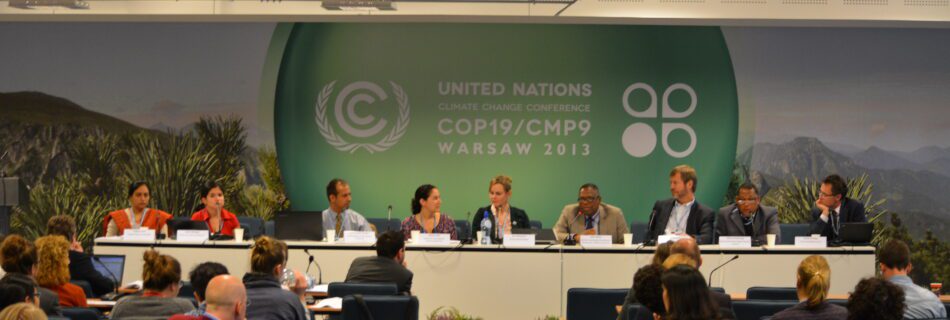
Carbon Market Watch protested outside the venue of the International Coal Summit alongside CAN Europe and other organisations. A lot has been said about the outrageous decision to have an International Coal Summit at the same time as the UNFCCC climate talks here in Warsaw.
Warsaw, Panama City – Last week, the Clean Development Mechanism’s Executive Board rejected the request for registration of the Bonyic Hydroelectric Project in the Naso indigenous territory in Panama. This decision demonstrates that the Board has the authority to exclude projects that fail to meet CDM requirements, including rules on local stakeholder consultation.
Review of the Bonyic Hydroelectric Project’s request for registration will start. If rejected, the CDM Executive Board would be sending a strong message to the world for the need to comply with CDM rules and international law.