Decarbonising European industry
FAQ: The EU ETS for aviation explained
The EU’s Emissions Trading System (EU ETS) covers aviation. But what does that mean for the climate and airlines?

The EU’s Emissions Trading System (EU ETS) covers aviation. But what does that mean for the climate and airlines?
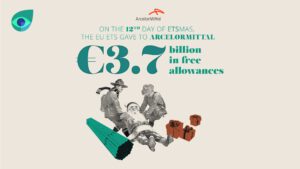
A large part of heavy industry carbon emissions is exempted from ETS obligations. The allocation system of free emissions allowances was designed to shield European heavy industries from the purported risk of “carbon leakage”, the alleged risk that industries will relocate their production outside

Carbon Market Watch colleagues met on 11 December to brainstorm a name and a logo to accentuate our Milkywire Climate Transformation Fund supported carbon dioxide removals (CDR) campaign.

Torn between countries demanding that Article 6 carbon markets be available with virtually no restrictions and countries insisting on upholding transparency, human rights, and climate ambition, negotiators at COP28 failed to break the deadlock. With all the unresolved problematic issues, the fact that they

Merry ETSmas!
The EU through its Emissions Trading System giftwraps free pollution permits to 30 grossly wealthy energy production and heavy industry companies causing 25% of the bloc’s emissions.
Over the 12 days of ETSMas we counted down the EU’s luckiest polluters.

Despite the wishful thinking of champions of carbon offsetting at COP28, the voluntary carbon market will only play a role in tackling the climate crisis with stricter standards and greater transparency.

Revenue from the EU’s Emissions Trading System (EU ETS) continues to be spent on subsidising heavy industry pollution rather than on climate action and ending energy poverty.

The EU’s Emissions Trading System (EU ETS) is being expanded to cover shipping. But what does this involve and what does it mean for the maritime sector?

A spate of recent studies are being used to claim a causal link for companies that offset their emissions between their use of carbon credits and their rate of internal decarbonisation. However, the available evidence tells a different story about whether or not companies